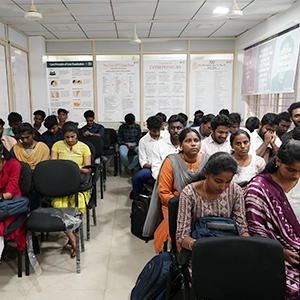
Network management is an important component of the IT industry, since companies need a safe and dependable digital environment today more than ever before. The increasing need for a reliable network infrastructure is the reason behind the rise in demand for professionals who have comprehensive knowledge about networking protocols, hardware, security and troubleshooting. Learners can benefit from enrolling in a Networking Course.
Some of the top firms that hire networking professionals in India include HCL Technologies, TCS, Cisco Systems, Tech Mahindra, Wipro, IBM, Cognizant, and Infosys. Learning the basics of networking by doing a CCNA Course in Hosur will enable the learner to get jobs as Network Administrator, Network Engineer, Network Support Engineer, Network Technician, Network Analyst, and Network Security Engineer.
“Students receive 100% placement training after completing the CCNA Networking Course in Hosur.”
Earning a networking certification can strengthen your networking profile and improve your career prospects. Network Engineer salary for freshers may range from around ₹3.5 LPA to ₹5 LPA, while experienced networking professionals can earn ₹12 LPA or higher, depending on their expertise, experience, certifications, and employer.
Career Roles After Completing CCNA Certification
- Network Administrator
- Network Engineer
- Network Support Engineer
- Network Technician
- Network Analyst
- Network Security Engineer
The above jobs require comprehensive knowledge of networking fundamentals, protocols, infrastructure, and security. The professionals will be responsible for setting up and maintaining networks, solving connectivity problems, monitoring network performance, managing network devices, and ensuring network security. Knowledge of Cybersecurity is also beneficial for professionals who want to strengthen their understanding of network protection, threat detection, and security practices.
CCNA Institute in Hosur offers a good grounding in the skills of routing, switching, IP addressing, network security, and troubleshooting. All of these skills can enable the learner to start their career in networking and acquire the necessary technical expertise to be able to grow in their career. Through appropriate experience and certification, they can become Network Specialists, Senior Network Analysts, or Network Architects.
Network Administrator
The Network Administrator oversees the day-to-day activities of the network in the organization. The duties include the configuration of the network equipment, connectivity, performance of the network, troubleshooting any technical problems that arise, and assisting users.
Network Engineer
The Network Engineer is involved in designing, configuring, maintaining, and troubleshooting the network infrastructure of the organization. It involves working with different components of the network, including routers, switches, wireless networks, and many more.
Network Support Engineer
The work of Network Support Engineers involves ensuring the reliability of network connectivity by checking the systems and solving any technical problems that arise in the networks.
Network Technician
Network Technicians work with the installation, configuration, maintenance, and troubleshooting of network hardware and connections. They can perform tasks like configuring routers, switches, cabling, wireless, and other network hardware.
Network Analyst
Network Analysts perform analysis and assess network performance in order to discover any concerns related to network connectivity, performance, and security.
Network Security Engineer
Network Security Engineers are responsible for securing networks from cyber attacks and unauthorized access. The role of a Network Security Engineer may involve firewall configuration, monitoring of network traffic, detection of weaknesses in the network and its security, and other actions that could be taken to secure the network infrastructure. Cybersecurity and CCNA concepts could be very helpful when starting a career in network security.
Roles to move to career progression
With relevant industry experience, advanced certifications, and specialized networking skills, professionals can progress into the following senior-level roles:
Network Specialist
The tasks of a Network Specialist include many activities involved in setting up and managing networks. This can include working with routers, switches, and network infrastructure, among others, and providing technical support as needed.
Senior Network Analyst
Job of a Senior Network Analyst includes monitoring, analysis, and enhancement of the network infrastructure. It entails identifying performance issues, assessing the network needs, keeping documentation updated, and working alongside the security and infrastructure teams.
Network Architect
The Network Architect designs the network infrastructure for an organization. The tasks of the Network Architect include designing the environment of LAN/WAN, using suitable networking technology, and ensuring the security, reliability, and scalability of the network infrastructure.
Enrolling in CCNA Institute in Hosur can assist students in establishing a solid basis for networking and also be the beginning for entry level jobs in the field of IT infrastructure. Networking professionals can advance their careers to senior networking positions with the right experience and certifications.