Data has become an essential part of how businesses make decisions, improve processes, understand customer needs, and plan for future growth. With businesses increasingly relying on data to guide decisions, the need for qualified Data Analytics professionals is growing across multiple sectors. Such as IT, banking, healthcare, retail, e-commerce, consulting, manufacturing, and finance.
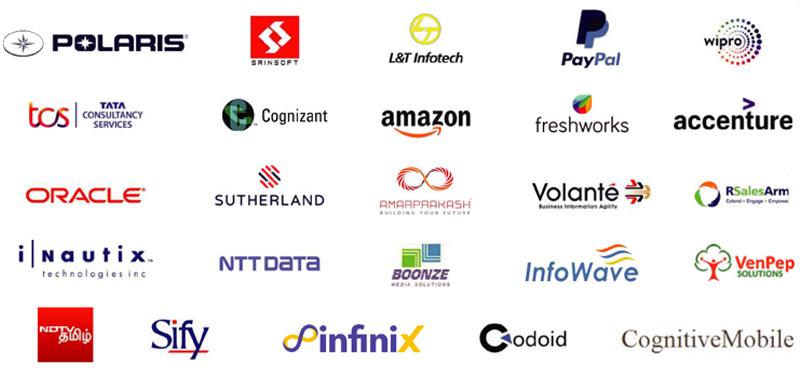
Companies of all sizes, from startups to large global firms, hire Data Analytics professionals to turn raw data into useful insights. Well-known employers include Google, Microsoft, Amazon, IBM, Deloitte, Accenture, Flipkart, HSBC, and many others that depend on data for their business decisions.
At FITA Academy, the Data Analytics Course in Chennai offers both technical training and career support. Learners get help with resume writing, interview skills, mock interviews, and career planning to prepare for job opportunities. The placement team also shares job openings and supports learners during the hiring process.
“100% placement assistance is provided to our students until they land their dream job.”
Freshers usually earn between ₹3 LPA and ₹4 LPA, based on their technical expertise, experience, and the organisation they work for. As they gain experience and specialize, their career and salary prospects improve further.After completing the course, learners can choose from many career paths based on their skills and interests,as listed below:
Data Engineer
The data engineer’s work involves gathering, storing, and analyzing data. It involves maintaining and managing large datasets. Data engineers support Business Analytics by providing organized, reliable, and structured data that allows companies to make better decisions and improve performance. FITA Academy’s Data Analytics course trains you to become a Data Analytics expert like a Data Engineer.
Data Analyst
Data Analysts analyze data from various sources, identify trends, generate reports, and assist in business decision-making. They use SQL, Excel sheets, Power BI, Tableau, etc., to prepare reports, create dashboards, and support the decision-making process.
Business Analyst
Business Analysts review business processes, look for ways to improve them, and use data to suggest practical solutions. They work with different teams to help with planning and boost overall performance.
Data Governance Analyst
Data Governance Analysts help organizations keep their data accurate, secure, and well-managed. They set data standards, make sure policies are followed, and work to improve the quality and consistency of business data.
Marketing Analytics Manager
Marketing Analytics Managers are a valuable asset to any organization; they research and analyze consumer behavior, campaign performance, and market trends in order to determine the most effective ways to reach consumers.
Risk Analyst
Risk Analysts identify potential financial and operational risks by studying business data and market trends. Their advice helps organizations reduce risks and make better decisions.
Financial Analyst
Financial Analysts use Data Analytics to perform financial reviews, identify trends, and make projections that can aid in investment and budgeting decisions. These analysts utilize a combination of financial and analytical expertise to improve the growth potential of businesses.
Business Intelligence (BI) Analyst
Business Intelligence Analysts describe and present information on business data through dashboards, reports, and visualizations created using Power BI, Tableau, SQL, Excel, and other platforms.