Enterprise Resource Planning (ERP) plays an important role in helping large organizations manage their daily business activities. Industries such as manufacturing, retail, banking, and finance use ERP systems to connect information and coordinate functions across departments. As businesses increasingly depend on integrated systems and timely data, skilled ERP professionals continue to be relevant across various industries.
SAP is a major ERP technology provider, and SAP S/4HANA is widely used by companies modernizing their enterprise systems. The shift from older SAP environments to newer platforms has created opportunities across functional and technical roles. Developing knowledge of a specific SAP module along with S/4HANA can help candidates build skills suited to current enterprise technology requirements.
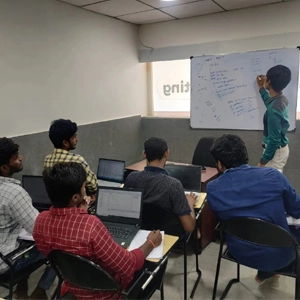
For graduates and professionals entering the SAP field, practical exposure can make it easier to relate concepts to workplace processes. Hands on exercises, business examples, and project activities allow learners to gain experience with how SAP is used in real organizational settings. Career opportunities and salary levels can differ depending on factors such as the chosen module, job role, location, skills, and experience.
“100% placement support is provided until students secure suitable job opportunities.”
The placement process includes resume guidance, interview preparation, career discussions, and access to relevant interview opportunities through the institute’s 3,000+ hiring network. This career-focused support, along with practical SAP training and industry oriented learning, makes FITA Academy a strong choice among the Best SAP Training Institutes in Anna Nagar. Freshers in India can earn around ₹4 lakh to ₹6 lakh per year, with variations based on factors such as role, skills, location, employer, and SAP specialization. For a broader understanding of entry-level compensation, explore SAP Salary for freshers.
Roles You Can Explore After SAP Training
Finding the right SAP training provider can make a difference when preparing for an SAP career. While exploring SAP Institutes in Anna Nagar, learners can consider factors such as practical exposure, trainer experience, course coverage, project work, and placement assistance. SAP training can help learners build knowledge in modules such as FICO, MM, SD, HCM, and ABAP, depending on their chosen career path.
SAP training help learners understand the different career options available based on the module they choose, along with their education, technical knowledge, and previous work experience. Learners can explore roles that match their skills and interests, including:
SAP FICO Consultant
An SAP FICO Consultant works with SAP’s Financial Accounting and Controlling modules to support finance-related business processes. The role may involve configuring financial processes, managing the general ledger, and handling accounts payable and accounts receivable functions, asset accounting, and helping organizations manage financial information through SAP.
SAP MM Consultant
An SAP MM Consultant focuses on procurement and materials management processes. They work with activities such as purchasing, vendor management, material records, inventory, and goods movement. This role can be suitable for learners interested in supply chain, procurement, and inventory related operations.
SAP SD Consultant
An SAP SD Consultant works with sales and distribution processes within SAP. Responsibilities can include sales orders, pricing, delivery, billing, customer information, and related business workflows. The role is relevant for professionals who want to work with sales and customer-facing business processes.
SAP HCM Consultant
An SAP HCM Consultant works with human resource processes supported by SAP. Depending on the organisation and project, the role may involve employee data, organizational management, payroll related processes, attendance, and other HR functions. It can be a suitable path for learners with an interest in human resources and enterprise systems.
SAP ABAP Consultant
An SAP ABAP Consultant works on the technical side of SAP using ABAP programming. Their work can include developing custom reports, applications, enhancements, interfaces, and other technical solutions based on business requirements. This role is generally more suitable for learners with programming or technical backgrounds.
SAP S/4HANA Consultant
An SAP S/4HANA Consultant helps organizations work with SAP’s modern ERP platform. Depending on their specialization, consultants may work on finance, procurement, sales, supply chain, or other business processes within S/4HANA environments. The role requires a good understanding of both the selected SAP module and S/4HANA processes.
SAP Business Analyst
An SAP Business Analyst works between business teams and SAP professionals to make sure business needs are understood and addressed through the right SAP solutions. Their work may include understanding current processes, gathering requirements, documenting workflows, and explaining these requirements to functional or technical teams. Good analytical and communication skills can be helpful for this role.
SAP Application Support Associate
An SAP Application Support Associate helps organisations maintain and support their SAP applications after implementation. The role may include investigating user issues, identifying process or system problems, documenting incidents, and coordinating with relevant SAP teams to resolve issues.
SAP Functional Support Consultant
An SAP Functional Support Consultant provides functional assistance for a particular SAP module. They help users resolve process related issues, analyze system behavior, assist with configuration-related problems, and ensure that SAP processes continue to meet business requirements.
Junior SAP Consultant
A Junior SAP Consultant is an entry level position where professionals assist experienced consultants with implementation, configuration, testing, documentation, support, and other project activities. It can be a starting point for freshers who have developed foundational knowledge in a specific SAP module.
The role you choose after SAP training should depend on your background and interests. For example, finance or commerce graduates may consider SAP FICO, while learners interested in procurement can explore SAP MM. Those interested in sales processes may consider SAP SD, whereas candidates with programming skills can explore SAP ABAP. Building practical knowledge in a specific module can help you prepare for relevant entry level opportunities.