DevOps has become the new career option in the IT industry due to the increased adoption of cloud computing, automation, containers, and CI/CD by organizations. Companies are now relying on DevOps professionals to make their software development processes efficient, streamline applications, and enhance performance while ensuring better product delivery. FITA Academy’s DevOps Course in Velachery enables students to develop the skills professionals need in the current competitive IT industry through practical, hands-on training and project-based learning.
When businesses use DevOps practices, they can release software faster, help development and operations teams work better together, and create secure, scalable, and reliable applications. FITA Academy focuses on providing the best DevOps Coaching in Velachery by offering practical training so learners see how these tools and methods work in real jobs. Learners also get placement support, including help with resumes, mock interviews, and interview preparation, so they can feel confident when applying for jobs.
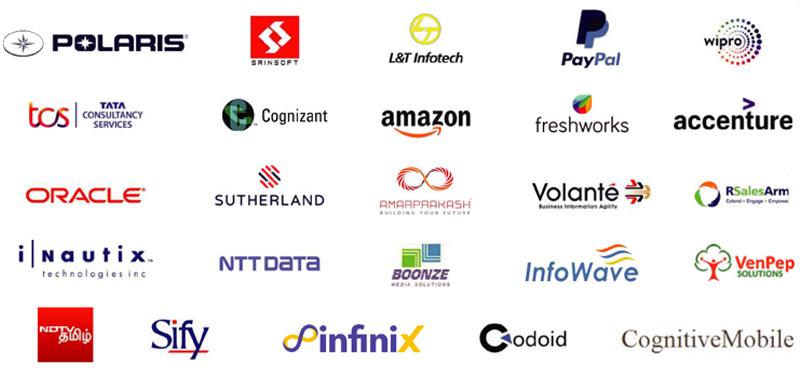
DevOps career perspective focuses on working in software development companies, IT service providers, cloud consulting firms, start-ups, and organizations that implement cloud and automation technologies. Therefore, top organizations in this field include Infosys, HCLTech, Cognizant, TCS, Amazon, IBM, and other IT companies offering related services. Thus, the in-demand professionals with relevant skills and experience in DevOps are highly likely to secure a job.
In India, the DevOps Engineer Salary for Freshers is usually between ₹3.5 LPA and ₹5 LPA, depending on their skills, location, and employer. With 3 to 5 years of experience and knowledge of tools like AWS, Azure, Docker, Kubernetes, Jenkins, CI/CD, and automation, salaries can reach ₹7 LPA to ₹12 LPA. Those with 6 to 10 years of experience often earn ₹10 LPA to ₹20 LPA or more, especially at top IT companies and product-based firms. As more businesses use cloud and automation, the need for DevOps professionals is likely to stay high.
FITA Academy supports learners during their job search by offering resume help, interview preparation, and access to job openings.
“100% placement assistance is provided to our students until they land their dream job.”
Here are some popular career paths in DevOps:
DevOps Engineer
A DevOps Engineer facilitates communication between development and operations teams to ensure that organizations can deliver software efficiently. They optimize operations processes to improve day-to-day functions, maintain and oversee deployment pipelines to keep everything running smoothly, and monitor system performance to keep the infrastructure reliable throughout the application lifecycle.
This activity typically involves working with such platforms as AWS, Microsoft Azure, Google Cloud, and others to deploy and maintain applications. This experience will prepare you for DevOps careers at major IT companies.
DevOps Architect
A DevOps Architect designs the overall DevOps strategy and infrastructure for an organization. They pick the right automation, monitoring, and deployment tools, and build scalable CI/CD pipelines to help deliver software efficiently.
They also set DevOps standards, improve how development teams work, and help development and operations teams collaborate smoothly. To do this job well, you need to understand cloud computing, automation, and modern software delivery methods.
DevOps Lead
A DevOps Lead oversees DevOps projects and provides technical support throughout the development and deployment of software programs. He/she collaborates with programmers, operations directors, and business partners to enhance operations, resolve issues, and ensure proper execution of projects.
In addition to technical work, they mentor team members, plan project tasks, and encourage DevOps best practices. To succeed in this role, you need strong leadership, communication, and decision-making skills.
Integration Engineer
A person who is engaged in connecting processes within the framework of software development, testing, deployment, and monitoring can be called an Integration Engineer.
They also fix integration issues, automate repetitive tasks, and make sure different systems work well together. This helps teams deliver software more effectively.
Build & Release Engineer / CI/CD Specialist:
A Build & Release Engineer, also known as a CI/CD Specialist, is responsible for streamlining the application build, testing, and deployment process through automation. Their work helps organizations release software faster, more reliably, and with fewer mistakes.
They use tools like Jenkins, GitHub Actions, GitLab CI, and Azure DevOps to handle build automation, version control, and release pipelines. Knowing scripting, Docker, Infrastructure as Code (IaC), and cloud platforms is helpful for this career. Proficiency in scripting languages such as Bash, Python, and Groovy, along with hands-on experience in Docker and Infrastructure as Code (IaC) tools, is highly valuable for succeeding in this role.