DevOps is quickly becoming a popular career choice in IT as more companies use cloud computing, automation, containerization, and CI/CD. Businesses rely on DevOps experts to speed up software delivery, automate infrastructure, and keep applications running smoothly. FITA Academy aims to be the Best DevOps coaching in Tambaram by focusing on practical, industry-based learning.
When businesses use DevOps, they release software faster, work better across teams, and build systems that can grow easily. To meet this demand, FITA Academy’s DevOps Training in Tambaram offers hands-on learning and real projects so students get real-world experience. The program also helps with job placement, including resume building and interview tips, to support students in finding jobs.
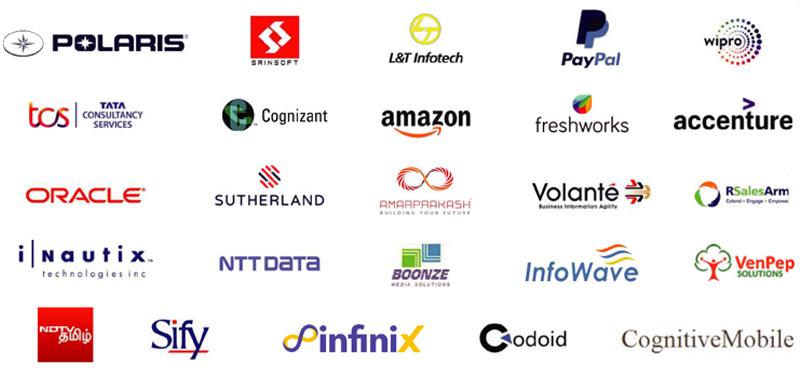
DevOps professionals can find opportunities in software companies, IT consulting firms, startups, and cloud-focused businesses. Top employers like Infosys, HCLTech, Cognizant, TCS, Amazon, and IBM look for people with strong DevOps technical skills. In India, DevOps Engineer Salary for Freshersroles usually range from ₹3.5 LPA to ₹5 LPA, depending on skills. With 3 to 5 years of experience and good knowledge of tools like AWS, Azure, Kubernetes, Docker, Jenkins, CI/CD, and automation, salaries can go up to ₹7 LPA to ₹12 LPA. Those with 6 to 10 years of experience may earn ₹10 LPA to ₹20 LPA or more, especially at top IT and product companies.
“100% placement assistance is provided to our students until they land their dream job.”
Explore some of the leading career opportunities in DevOps,
DevOps Engineer
A DevOps engineer collaborates with development and operations teams to simplify software deployment and delivery. They enhance pipelines, monitor application performance, and support infrastructure.
Most organizations have shifted to using cloud technologies like AWS, Microsoft Azure, and Google Cloud to deploy, manage, and scale their applications. With the appropriate skills, you can secure a decent career in DevOps by attending the Best DevOps Training Institute in Tambaram
DevOps Architect
A DevOps architect designs and constructs an organization’s DevOps landscape to meet its needs. They help the organization deliver software quickly and efficiently by deploying the right infrastructure, tools, and processes for building and operating applications. The role also entails developing processes that support continuous integration and product delivery, as well as providing recommendations on best practices and improving development operations.
In addition to building the DevOps infrastructure, the position involves coaching and motivating teams on DevOps processes to enhance performance and promote collaboration between development and operations. To be successful in this capacity, one must have extensive knowledge and experience with cloud technologies, automation, and DevOps methodologies.
DevOps Lead
A DevOps lead provides guidance on technical matters and manages the people involved in product development and delivery. They collaborate with development and operations teams and stakeholders to enhance technical delivery processes and troubleshoot problems. In addition, they also mentor and coach team members, develop and implement DevOps strategies and standards, and review technical policies.
In addition to technical competencies, a DevOps lead needs people management and communication skills to manage and lead developers and operators. The role requires individuals with experience in operations and development to understand and address the challenges of software delivery. Furthermore, it involves managing operations and development to resolve and prevent problems in order to improve delivery.
Integration Specialist
An integration specialist ensures that tools used in application development, building, Software Testing, releasing, and monitoring work together efficiently. They also integrate automation tools such as Selenium into CI/CD pipelines to support reliable software delivery. They ensure these tools work seamlessly together and troubleshoot any problems that may arise. The role involves managing applications, APIs, building and release systems, and cloud services. Apart from technical proficiencies, an integration specialist must have good communication and collaboration skills to manage multiple systems and processes and make recommendations when solving problems.
Build & Release Engineer / CI/CD Specialist
A build & release engineer or CI/CD specialist ensures that the processes involved in delivering software are efficient and automated. They play an important role in ensuring effective and accelerated software development, testing, and release. Their responsibilities include developing and enhancing CI/CD tools, implementing automation, and recommending relevant code versions. They also manage version control systems such as Git and Mercurial and recommend build processes. To be successful in this profession, one must have in-depth knowledge of CI/CD tools like Jenkins, GitHub Actions, GitLab CI, and Azure. Apart from that, knowledge of scripting, Docker, Infrastructure as Code (IaC) automation, and cloud technologies is essential.